The Lunula laser is a non-invasive, low-level laser therapy designed to support the treatment of fungal nail infections without damaging surrounding healthy tissue. Unlike more aggressive or heat-based treatments, the Lunula system uses dual-wavelength light to gently stimulate the treatment area and support the body’s natural response to nail infection. Many patients choose Lunula laser therapy because it offers a comfortable, medication-free option that can be incorporated into a comprehensive plan for improving nail health over time.
Benefits of the Lunula Nail Laser
Many patients choose Lunula laser therapy because it is completely non-invasive, painless, and requires no recovery time. The procedure is performed quickly and allows most patients to return to normal daily activities immediately afterward. Unlike oral antifungal medications, Lunula laser does not involve systemic side effects or require bloodwork monitoring.
What to Expect at Your Lunula Nail Laser Treatment
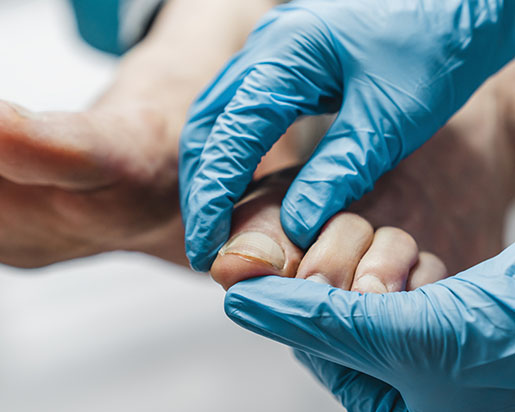
At First Coast Foot & Ankle Clinic, treatment begins with a consultation and evaluation of the affected nails to determine the severity of the fungal infection and whether laser therapy is the right option for you.
The nails are cleaned and prepared before treatment begins. During the procedure, the Lunula laser delivers low-level laser light to the affected area in a completely painless session. Because toenail fungus develops gradually and nails grow slowly, Lunula laser therapy is typically performed as a series of treatment sessions to achieve optimal results.
Who is a Candidate for Lunula Nail Laser Treatment?
Lunula nail laser treatment is often recommended for individuals who have not seen improvement with topical treatments, cannot tolerate oral antifungal medications, or simply prefer a more conservative approach to care. It can also be helpful for those with thickened, discolored, or long-standing nail changes that have been resistant to other treatments.
Patients with underlying health conditions, such as diabetes, or those who experience recurring nail infections may also benefit from a professional evaluation to determine if laser treatment is appropriate. During your visit, our experienced team will assess your nails and overall foot health to decide whether Lunula laser treatment is the best fit for your needs and treatment goals.
Recovery & Results After Lunula Laser Treatment
The procedure itself is quick and non-invasive, making it easy to incorporate into a regular care plan. However, it’s important to understand that improvement in the appearance of the nail happens gradually. Since toenails grow slowly, it may take several months for healthier nail growth to fully replace the affected nail. Over time, patients often notice the nail becoming clearer and more natural as it grows out.
How to Prevent Toenail Fungus After Treatment
After treatment, good foot hygiene is key to preventing fungal nail infections from returning. Keep your feet clean and dry, wear breathable shoes, and change socks daily, especially after sweating. Disinfect shoes and nail tools regularly and wear protective footwear in public areas like locker rooms, gyms, and pools. It’s also important to treat athlete’s foot promptly, since it can spread to the nails and cause infection.
How Lunula Laser Fits into a Comprehensive Fungal Nail Infection Treatment Plan
Lunula laser treatment is often most effective when used as part of a broader, personalized treatment plan for fungal nail infections rather than as a stand-alone approach. Depending on the severity of the infection, our team may recommend combining laser treatment with topical antifungal medications to help support treatment at the nail surface, or oral antifungal medications for more advanced cases that require systemic care.
This multi-faceted approach allows us to target the infection from different angles while also addressing overall foot and ankle health through services such as routine nail care, debridement, and preventive guidance. By integrating Lunula laser treatment into a comprehensive care plan, we can better support long-term improvement and help reduce the likelihood of recurrence.
Take the Next Step Towards Healthier Nails
If you’re dealing with persistent nail changes, a professional evaluation can help determine if Lunula laser treatment is right for you. Our team will assess your nails and recommend a personalized treatment plan to support healthier, clearer nail growth. Call our office today to schedule your appointment and take the next step toward improved nail health.
Frequently Asked Questions
What is Lunula laser treatment for fungal nail infections?
Lunula laser treatment is a non-invasive procedure that uses low-level laser energy to treat fungal nail infections without damaging surrounding healthy tissue. It is often included as part of a broader treatment plan.
Is Lunula laser treatment painful?
Most patients find the procedure comfortable and well-tolerated. You may feel a mild warming sensation during treatment, but anesthesia is typically not required.
How many Lunula laser sessions will I need?
The number of sessions varies depending on the severity of the nail condition and how the infection responds to treatment. Your podiatrist will recommend a personalized treatment plan during your consultation.
How long does it take to see results?
Because toenails grow slowly, visible improvement occurs gradually over several months as healthier nail growth replaces the affected nail.
Can Lunula laser treatment be combined with other therapies?
Yes. Laser therapy is often combined with topical or oral antifungal medications and routine nail care as part of a comprehensive treatment plan for better overall results.
Is there any downtime after treatment?
No significant downtime is required. Most patients can return to normal daily activities immediately after their appointment.
Can toenail fungus come back after laser treatment?
Recurrence is possible, especially without proper preventive care. Following good foot hygiene and your podiatrist’s recommendations can help reduce the risk of the infection returning.