
Foot corns are thickened patches of skin that develop when repeated friction or pressure hardens the outer skin layer. They most commonly form on the toes and the soles of the feet, where bones push against footwear and compress the skin repeatedly.
In Jacksonville, FL, where an active outdoor lifestyle is part of everyday life, corns on the feet are a frequently reported foot health issue among people of all ages. Ill-fitting footwear, prolonged standing, and structural toe problems are the most common contributing factors.
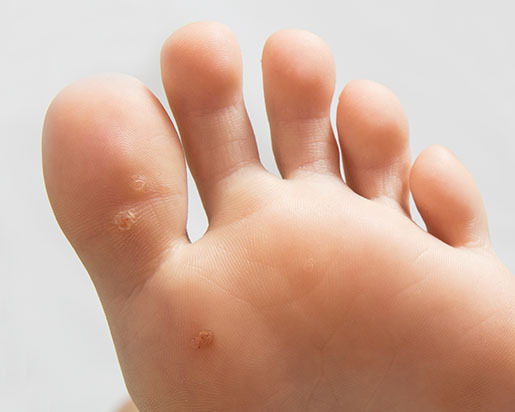
Appearance, Symptoms, and Prevention of Foot Corns (keyword)
Understanding the type of corn you have is essential for providing the appropriate care. Hard corns are small, dense areas of thickened skin that usually form on the tops or outer sides of the toes. In contrast, soft corns present as pale, moist sores that develop between the toes, where skin-to-skin contact and trapped moisture lead to ongoing irritation. Common symptoms include:
- A raised, firm bump on the toe or sole
- Localized tenderness when pressure is applied
- Dry, rough, or flaky skin around the affected spot
- Discomfort or pain while walking in closed shoes
Wearing well-fitted footwear, using protective padding, and checking feet regularly for early signs of thickening go a long way in keeping corns from forming or worsening.
Professional Corns Treatment at First Coast Foot & Ankle Clinic
When home care and over-the-counter pads fail to provide relief, seeking professional corn treatment becomes the most effective solution. At First Coast Foot & Ankle Clinic, our podiatrist will assess the severity of the corn, identify any structural contributing factors, and develop a targeted care plan aimed at achieving lasting comfort. Whether you are dealing with a painful, hard corn on the top of your toe or a soft corn located between the toes, our priority is always to address the root cause rather than just treat the symptoms.
Your Step-by-Step Guide to a Professional Corns Treatment Visit
Our foot doctor takes the time to review your footwear habits, activity level, and any underlying foot health issues before recommending a course of action. Treatment options include:
- Careful trimming or shaving of the corn using a scalpel for direct foot corn pain relief
- Custom orthotics to redistribute pressure and reduce the risk of recurrence
- Protective padding guidance to minimize ongoing friction
- Evaluation and care for contributing conditions, such as hammertoe or claw toe
For patients with diabetes or circulatory concerns, professional foot treatment is particularly important, as self-treatment carries added risks that a trained podiatrist can help you avoid.
Treating Corns Alongside the Foot Health Issues Behind Them
Corns rarely develop without an underlying reason. They often indicate that the feet have been under ongoing stress due to issues such as gait imbalances, improper footwear fit, or structural changes in the toes. Our team approaches corn treatment as part of a comprehensive foot health assessment, ensuring that patients receive more than just temporary relief from a single issue. We also offer services like bunion evaluations, ingrown toenail treatment, and custom orthotics, all of which contribute to the effectiveness of our podiatric care for long-lasting results.
Your Comfort Starts With One Call to Our Podiatry Team
Don’t let foot corn pain hold you back any longer. Take the first step towards relief by scheduling your visit with us today. Call (904) 739-9129 or request an appointment online. Our dedicated team is ready to help you move comfortably again.