
Athlete's Foot, also known as tinea pedis, is a skin disease caused by a fungus that usually occurs between the toes. The fungus attacks the feet because shoes create a warm, dark, and humid environment that encourages fungus growth. Warm, damp areas around swimming pools, showers, and locker rooms, are also breeding grounds for fungi.
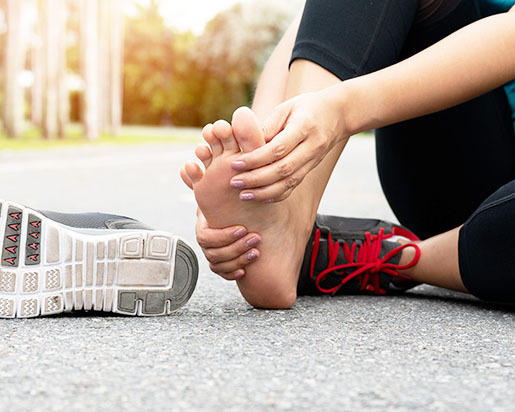
Symptoms
Symptoms of Athlete's Foot include drying skin, itching, scaling, inflammation, and blisters on and between the toes. Athlete's Foot can spread to the soles of the feet and to the toenails as well as other parts of the body, which is why timely treatment is so important.
Prevention
- Not walking barefoot, particularly in public pools and locker rooms.
- Reducing foot perspiration by using talcum powder.
- Wearing light and airy shoes.
- Wearing socks that keep your feet dry, and changing them frequently if you perspire heavily.
While fungicidal and fungistatic chemicals are usually used to treat Athlete's Foot problems, they often fail to contact the fungi in the lower layers of the skin. For persistent Athlete's Foot, a prescription topical or oral antifungal drug may be needed. Note: Please consult your physician before taking any medications.
Athlete's foot is one of the most common fungal infections, affecting millions of people every year. It develops when a type of fungus called tinea pedis grows in the warm, moist skin between the toes.
The fungus thrives in damp environments, which is why public pools, gym showers, and locker rooms are frequent sources of exposure. In Jacksonville, FL, the year-round heat and humidity create ideal conditions for fungal growth, increasing the risk of infection.
People who wear closed-toe shoes for long extend periods, sweat heavily , or stay active outdoors are especially susceptible. Without proper care, this condition can spread to the toenails or to other parts of the body.
Recognizing the Appearance, Symptoms, and Prevention of Athlete's Foot
Recognizing the early signs of this condition can help prevent the infection from worsening or spreading. Some of the most common indicators to look out for include:
- Persistent itching and burning between the toes, especially after removing shoes
- Dry, flaking, or peeling skin along the soles and sides of the feet
- Red, inflamed patches that may develop small blisters
- A stinging sensation when the affected skin cracks or breaks open
- An unpleasant odor caused by the combination of moisture and fungal activity
Prevention plays a big role in keeping your feet infection free. Wearing breathable footwear, drying your feet thoroughly after bathing, and using talcum powder to reduce perspiration all help lower the risk. Avoid walking barefoot in shared public spaces, and change your socks frequently, particularly if you lead an active lifestyle.
Expert Athlete's Foot Care From a Board-Certified Podiatrist
When over-the-counter creams and home remedies fall short, professional care becomes the next step. At First Coast Foot & Ankle Clinic, we offer thorough evaluation and proven treatment options for athlete's foot problems at every stage. Dr. Vimal Reddy, a board-certified podiatrist specializing in foot treatment, takes a patient-first approach to diagnosing the root cause and selecting the right course of action.
Our clinic uses both topical antifungal therapies and prescription oral medications when the infection has reached the deeper layers of the skin. Because fungicidal products available at pharmacies often fail to reach fungi beneath the surface, having a qualified foot doctor assess your condition can save you weeks of frustration and recurring symptoms.
Custom Care Plans Built Around Your Foot Health Needs
Every patient who walks through our doors receives a care plan tailored to their individual needs. Healing an athlete's foot successfully means more than just treating the visible symptoms. It means identifying factors in your daily routine, footwear choices, and overall foot health that may contribute to repeated flare-ups.
During your visit, our podiatrist will:
- Examine the affected areas to evaluate the severity of the infection.
- Discuss your exercise frequency and footwear choices.
- Propose a treatment plan, potentially involving prescription medications.
- Offer recommendations for long-term prevention of recurrence.
This structured approach helps address both the immediate discomfort and the underlying foot health issues that make some people more susceptible to discomfort.
What Sets Our Jacksonville Foot Clinic Apart From the Rest
Dr. Reddy founded First Coast Foot & Ankle Clinic in 2006 with a simple goal: to deliver excellent quality foot and ankle care to every patient. That commitment has helped the practice grow steadily over the years, earning the trust of families across the community. Our team stays current with the latest techniques and treatments so that conditions like athlete's foot are resolved quickly, comfortably, and effectively.
Whether you are dealing with a mild case of itching between the toes or a stubborn infection that keeps coming back, our clinic provides the expertise you need. From athlete's foot treatment to custom orthotics, wound care, and management of conditions like bunions, heel spurs, and ingrown toenails, we treat the full range of foot and ankle concerns for patients of all ages.
Take the First Step Toward Healthier Feet
Do not let athlete's foot problems hold you back from the activities you enjoy. Call our office at (904) 739-9129 or request an appointment online to schedule your visit with a trusted Jacksonville podiatrist who can help you get back on your feet with confidence.